
The Cost of Homestead Tax Exemptions
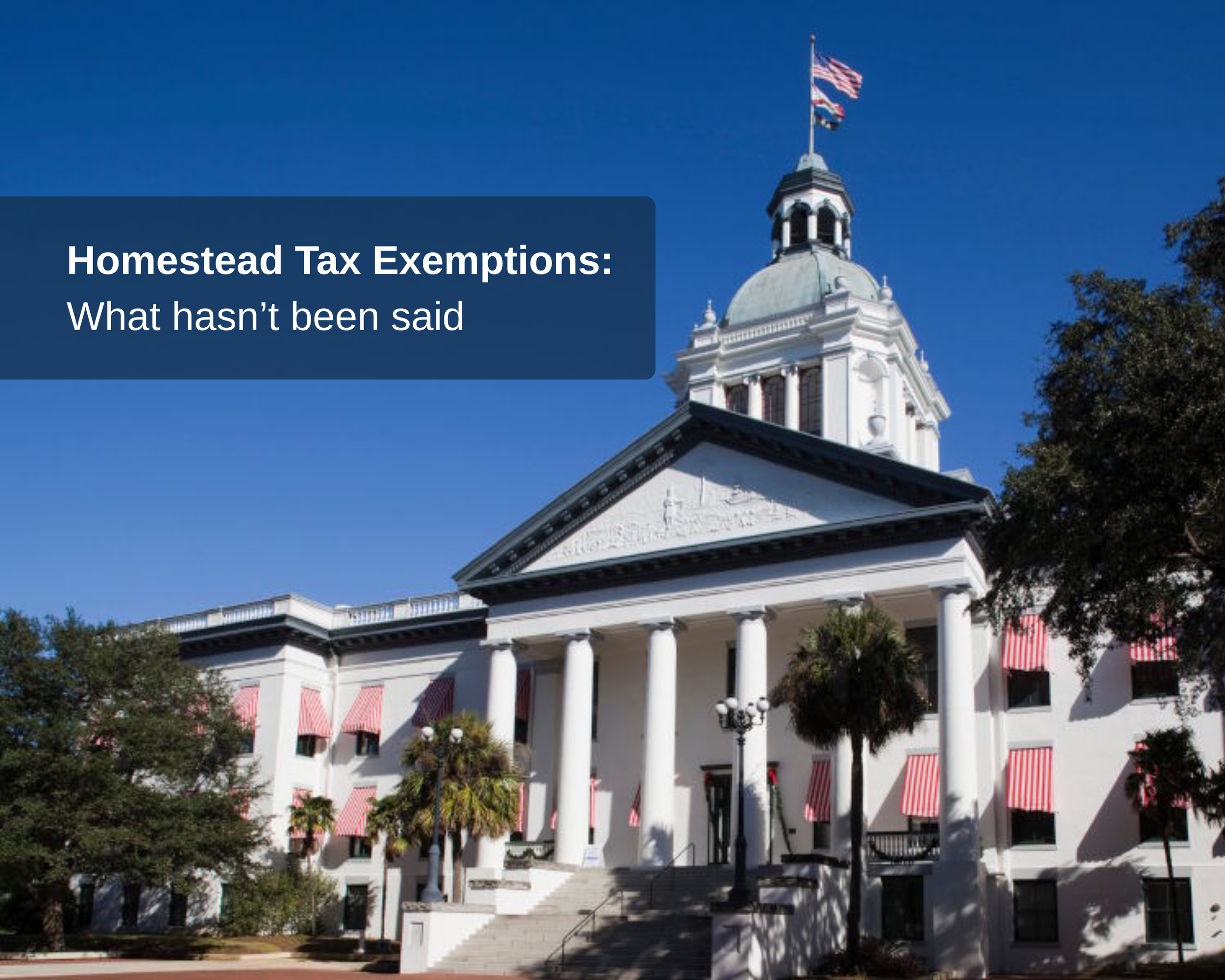
Florida's property tax burden depends on two key factors: local government budgets and the property values on which they're assessed. Florida's proposed HJR 201 (see line 30) would eliminate non-school property taxes for homestead properties, which represent 56% of parcels in both Palm Beach and Broward counties.
While homeowner tax relief may seem beneficial, it reduces the tax base without reducing revenue needs, shifting the burden to remaining taxpayers. In Palm Beach County, homesteads currently account for 41% of total property taxes, despite being the majority of parcels. In Broward County, homesteads pay only 36% of taxes while representing 56% of properties. Eliminating their non-school tax burden doesn't eliminate those costs; it shifts them to rental properties, snowbirds with second homes, businesses, and farms.
The financial impact on non-homestead properties would be severe. In Palm Beach County, to maintain current service levels, non-homestead residential properties, such as rental units and second homes, would face average annual increases of $3,730 per parcel. Commercial properties would see increases of $15,071, and agricultural properties would pay an additional $5,631. Broward County shows similar patterns: non-homestead residential properties would increase by $2,776, commercial by $12,188, and agricultural by $2,191. These aren't minor adjustments; they represent increases of 50% or more on top of existing tax bills.
The economic reality is that property owners do not pay these taxes; instead, they are passed to consumers. Landlords facing an additional $3,730 per property will likely raise rents for their tenants. Businesses that pay an extra $15,000 will likely increase prices for goods and services. Farms facing thousands more in taxes will charge more for food. The homestead owner who saves $3,520 annually will pay it back through higher rent (if they rent), increased prices at every store and restaurant, higher medical costs, and elevated food prices.
Property taxes did not cause Florida's housing affordability crisis; instead, it is driven by housing undersupply, massive in-migration, and demographic shifts from more expensive markets. The current property tax system is already distorted, and further distortion doesn't lead to prosperity; it simply creates a system where 56% of parcels contribute nothing to local services. In comparison, the remaining 44% carry a disproportionate burden. Regardless of wasteful local government spending, even if we could identify and eliminate it, the households carrying the public tax burden would be disproportionately affected. In contrast, those freed from the tax burden would face higher living costs. Tax relief under proposals like HJR 201 and similar initiatives risks further unbalancing the tax burden and may cause more harm than it's worth.
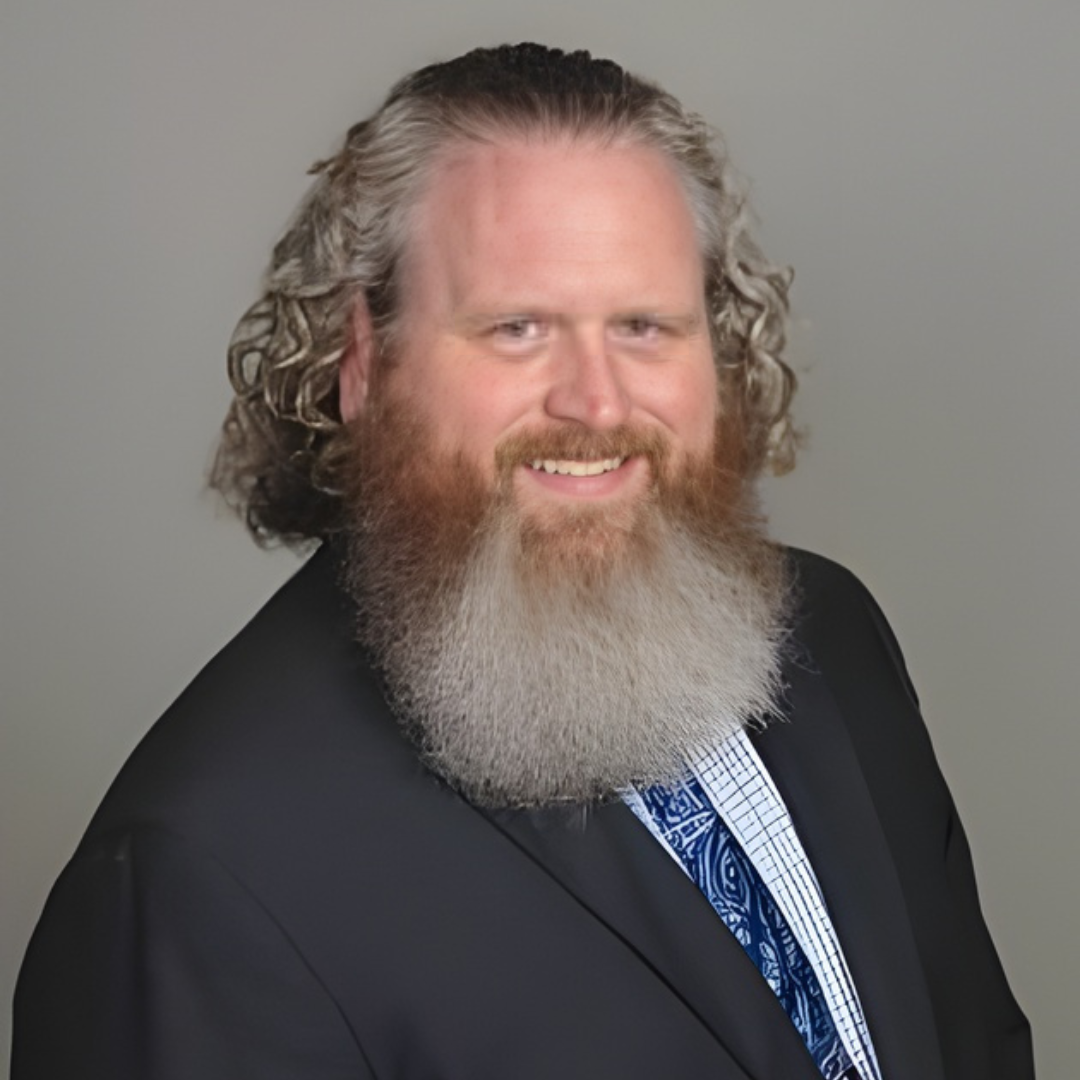
Guest Author: Matthew Moore, former Chief Economist of the Dept of Revenue and current Chief Operating Officer at the Regional Economic Consulting Group (Tampa). REC Group is a private economic consulting firm founded by former State of Florida economists. The Firm has extensive experience forecasting and analyzing Florida's economy at the city, county, regional, and state levels. REC Group uses S&P Global macroeconomic forecast data and granular Florida economic forecast data to provide economic analysis that combines national trends with detailed local knowledge. This approach addresses the gap between broad macroeconomic research and specific Florida market conditions. For the entire report or other reports from Regional Economic Consulting, visit www.regionaleconomicconsulting.com





YouTube sensation IShowSpeed, also known as Darren Watkins Jr., has reportedly invested $10.75 million in a Miami-Dade warehouse to establish a dedicated content creation and production studio. The 26,600-square-foot property represents a major step in the creator's expansion from livestreaming into a larger media enterprise. Miami real estate broker Jordan Karp represented IShowSpeed in the transaction. The investment highlights South Florida's growing role in the creator economy, connecting digital entertainment, technology, commercial real estate, and entrepreneurship.