
Betting on the Sunshine State: ClearSky’s Bold Strategy to Bring Technology Innovation to South Florida
As venture capital dollars poured into San Francisco and New York City during the tech boom of the 2010s, Alex Weiss and James Huff set their sights on a different kind of opportunity: bringing high-impact technology investment to South Florida. Leaving their leadership roles at NextEra, the pair founded ClearSky, a technology-focused venture capital firm.
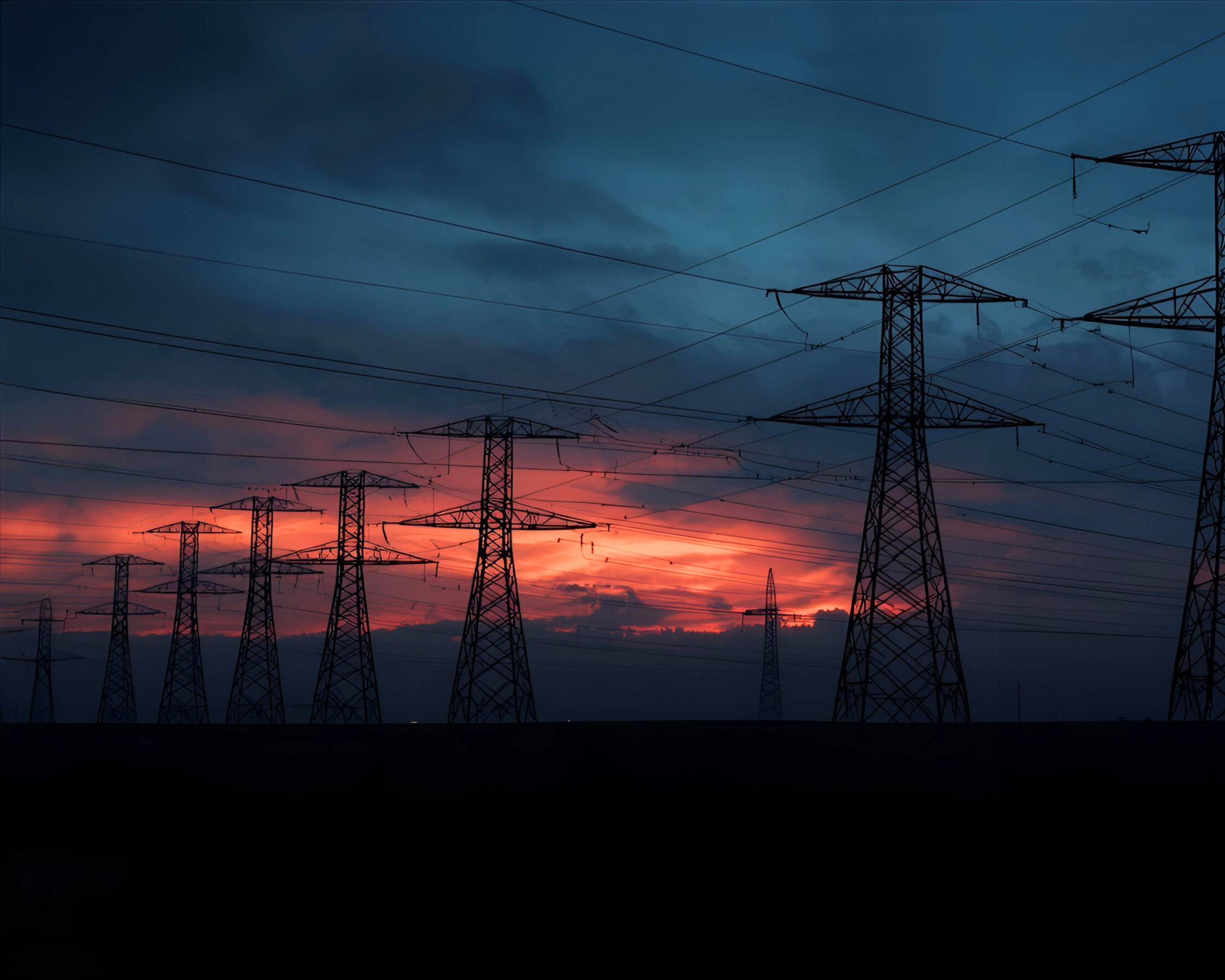
After years as an investment banker in NYC, Weiss moved down to South Florida to become the chief investment officer for NextEra. Leading the world’s largest utility by market cap shaped Weiss’s view of the future of energy in the U.S., and ultimately inspired ClearSky’s mission: to invest in technologies reshaping critical infrastructure.
What Weiss and Huff didn’t anticipate was that ClearSky would become more than an investment firm supporting startups from the sidelines, but it would play a pivotal role in establishing South Florida as a technology hub, attracting skilled talent, and helping define the nation’s energy transition.
Aligning Energy Transition & Cybersecurity
More than a decade later, ClearSky has validated that vision. Managing nearly $1 billion across funds, the firm remains focused on the infrastructure needed for the future: energy transition and cybersecurity.
“We felt it was important to invest in the transformation of energy,” explained Weiss. “We saw renewables, but we also saw the need for a more distributed energy structure, investments in the grid, and analytics and monitoring.” From there, cybersecurity investments naturally followed.
“On the security side, we recognized the need to protect critical infrastructure,” Weiss continued. “Strategic partners, like the utilities we worked with, had significant interest in safeguarding their assets.” As nation-states and cybercriminals increasingly target the technology ecosystem, energy transition requires robust cybersecurity investments.
ClearSky’s multi-pronged investment strategy is resilient amid market shifts and political uncertainty. “We’ve never been laser-focused on renewables,” said Weiss. “What we focus on is the energy transition itself—the companies, the developers, and the technologies driving it forward.”
Artificial Intelligence: The Third Vertical
In recent years, a third vertical has emerged: artificial intelligence (AI). AI now intersects nearly every aspect of ClearSky’s portfolio.
“AI has become extraordinarily important—it’s the third leg of what we do,” said Weiss. On the cybersecurity front, AI enhances cyber defenses, while in energy, AI analytics improve grid reliability. AI’s growing power demands are also driving new solutions in energy generation and distribution.
“There have been delays in grid infrastructure investments for decades,” Weiss noted. “Now, AI is creating a need for grid investments and greater power generation. It’s a cyclical relationship: AI, energy, and security all influence each other, positioning ClearSky well for the future.”
South Florida’s Growing Talent Pool
In ClearSky’s early days, Florida’s talent infrastructure was limited. “When we came down here, hiring was harder,” said Weiss. “That challenge is gone. Miami, West Palm Beach, Tampa, Naples - these centers are growing significantly.”
Huff, a Florida native, is a strong proponent of sourcing local talent. “Having graduated from a school here in the state, I believe in tapping into the local talent pool,” he said.
The search for talent extends beyond ClearSky. Many portfolio companies are opening offices, expanding teams, and recruiting future talent, all within South Florida. Some partner with local universities, such as Florida Atlantic University and the University of Central Florida, to bring in new graduates.
Beyond talent recruitment, ClearSky hosts conferences and collaborates with local startup incubators, equipping them with resources for success. “When a startup ecosystem thrives, the city thrives,” Weiss quipped. “You see more growth in the finance sector here than in New York.
Portfolio Companies Making a Mark
Weiss and Huff generally avoid pre-seed and early seed rounds, focusing instead on startups solving big problems. “We like investing in companies that change paradigms,” Weiss explained. “Founders with experience leading startups are the most promising.”
Among the portfolio, Weiss highlighted Utility Innovation Group, which develops microgrids and power systems for data centers. “Data centers are huge energy users. Reliable, cost-effective, and efficient systems are critical,” he said.
Huff spotlighted XGS Energy, a geothermal company powering a New Mexico data center with a water- and fracking-free approach that avoids common pitfalls of other solutions.
In cybersecurity, GUARDZ, an Israeli startup now headquartered in Miami, exemplifies ClearSky’s global-local strategy. “They’re aggressively hiring in Miami, growing rapidly, and becoming a key part of the city’s cyber ecosystem,” Weiss said.
From Local Commitment to Global Influence
ClearSky’s strategy demonstrates a clear pattern: invest in companies solving problems differently while recognizing South Florida’s potential. Weiss, Huff, and their teams show that business decisions with a local focus can build not only successful companies but stronger communities.


Tri-Rail enters a new era under Executive Director Dave Kubicek as growing ridership, new funding strategies, and regional development opportunities reshape the future of South Florida transit.