
Broward County’s New Boom: Finance, Real Estate and the New Gold Coast
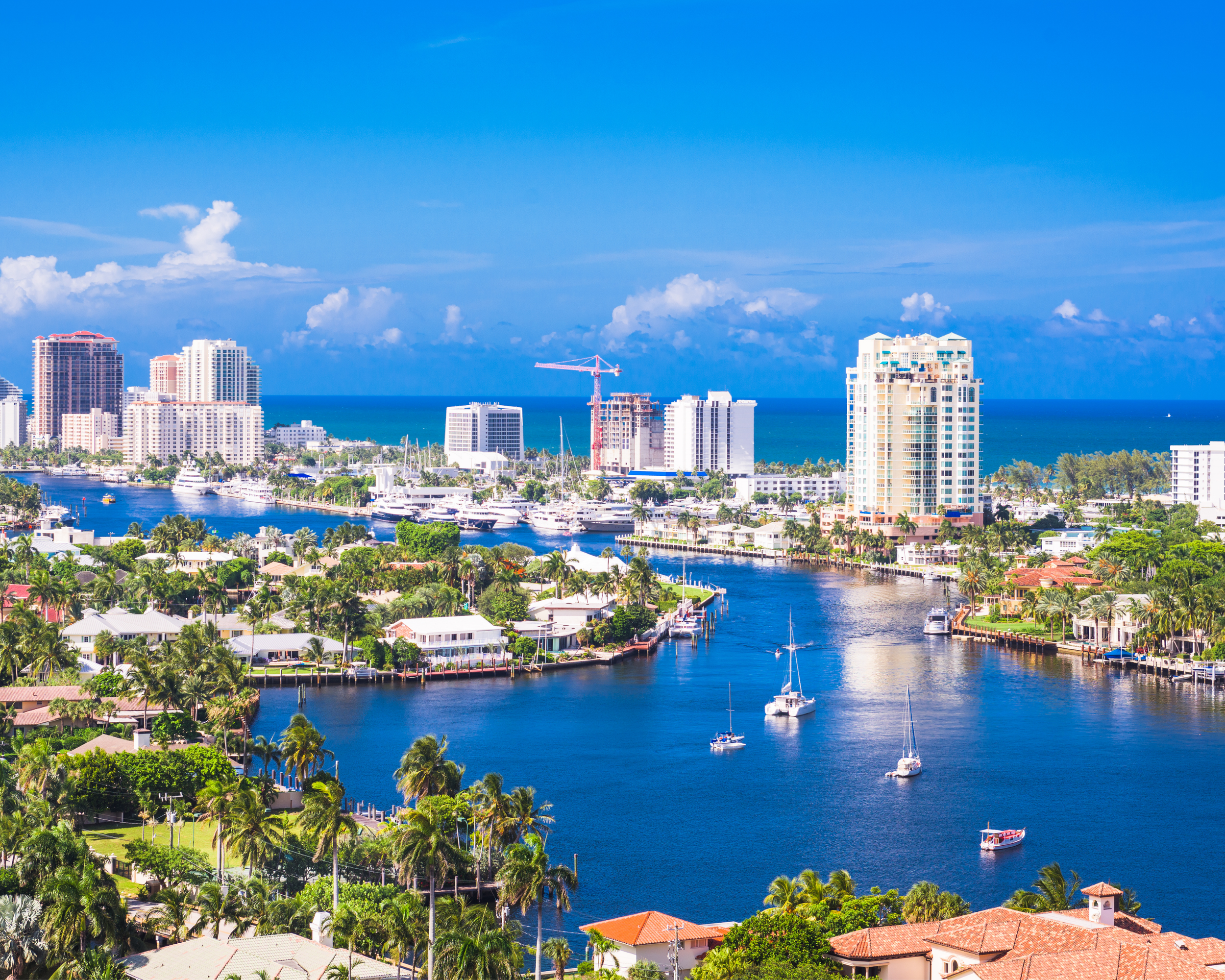
Stand anywhere along Las Olas and look up. The skyline is dotted with cranes, new towers, and construction crews working through the heat. Broward County has moved beyond the pandemic “bounce” and what’s taking shape now is a durable, diversified expansion across finance, real estate, industry, aviation, and tourism.
Supported by a consistently strong AAA credit profile, economists point to a county GDP that now rivals entire states. If Broward stood alone, it would land mid-pack among U.S. states by economic size. The numbers are big, but the street-level energy is bigger.
“Broward is no longer the middle ground between Miami and Palm Beach - it has become its own economic engine, and national capital markets are noticing,” reads a recent 2025 Downtown Fort Lauderdale Impact Report.
What’s Fueling the Boom?
Population, Paychecks & Persistent In-Migration
The in-migration wave that captured national attention in 2021–2023 never disappeared, it stabilized. Many newcomers now arrive for corporate relocations, finance roles, or remote executive positions. According to the Greater Fort Lauderdale Alliance, Broward added 10,600 non-agricultural jobs year-over-year as of July, with gains concentrated in:
Financial & professional services
Healthcare
Logistics & distribution
Aviation & aerospace
County unemployment sits between 3.4% and 4.1%, depending on the month—among the strongest rates in the state.
Capital on the Move
From out-of-state plates in office garages to midweek restaurant waitlists, new wealth continues flowing in. Unlike past cycles, this capital is sticking: funding local startups, leasing Class-A office space, and fueling both luxury and mid-market housing demand.
Real Estate: Two Gears, One Direction
Residential: Resilient, Selective, and Still Climbing
According to the Miami Association of Realtors, housing demand remains steady even as interest rates recalibrate the frenzy. Single-family home prices continue rising.
Condo performance varies widely by age, location, and amenity mix and inventory has improved but remains tight in prime coastal and urban neighborhoods.
Luxury units continue to trade, many in all-cash deals, while the middle-market remains sensitive to rates and insurance.
Commercial: Old vs. New
Broward’s office market has become a tale of two assets:
Class-A, modern, centrally located offices continue to outperform.
Older B-stock struggles without major reinvestment or repositioning.
Still, multiple trophy towers downtown achieved record pricing in 2025, signaling investor conviction, according to CBRE Office Figures.
And industrial? Still white-hot.
Vacancy rates remain among the lowest in Florida, with firm rent growth and new Class-A logistics projects underway across Dania Beach, Pompano, and Northwest Broward.
Fort Lauderdale: The County’s Urban Engine
Downtown Fort Lauderdale has quietly become one of the most productive urban cores in the Southeast. The “golden triangle” (airport, seaport, city center) creates a natural economic loop.
The 2025 WLRN economic impact report notes that downtown Fort Lauderdale contributes more jobs than many Florida midsize cities combined.
Why Employers Keep Moving Downtown
Corporate tax efficiency
Deepening talent pool
Brightline connectivity
Walkable lifestyle for early- and mid-career professionals
Thousands of new apartments, condominiums, and mixed-use towers have transformed the core into a true 24/7 neighborhood. Marine, hospitality, and aviation continue to anchor year-round activity.
Coral Springs: Built-Out but Far From Built Over
Coral Springs lacks land for large-scale sprawl—but that’s pushing smart reinvention. The city is doubling down on advanced manufacturing, aviation suppliers, business park expansions, and downtown infill and modernization.
Housing prices remain above the county median. With few vacant parcels left, Coral Springs focuses on redevelopment, quality-of-life preservation, and incremental density where appropriate.
Hollywood: Boomtown on the Beach
Few Broward cities have as many cranes per mile right now as Hollywood.
Oceanfront redevelopment is accelerating—new condo towers, a flagship resort sale and rebrand, and upgrades to beach amenities. Downtown Hollywood’s Young Circle is seeing fresh momentum with a wave of conversions from rental to condo, signaling stronger buyer confidence.
Meanwhile, Port Everglades logistics continues expanding, aerospace and MRO tenants are adding capacity, and the Hard Rock remains a regional tourism magnet
Hollywood is increasingly viewed as a balanced opportunity: coastal lifestyle, strong infrastructure, and room to grow.
What It Means for Investors & Operators
Office
Modern, well-located assets command rent premiums.
Older buildings require cap-ex, amenitization, or repositioning.
Industrial
Tight fundamentals and long-term demand drivers (e-commerce, aviation, port logistics).
More supply is coming—but likely absorbed.
Multifamily
Urban core remains strong, but renters are value-conscious.
Walkability, amenities, and “freshness” drive lease velocity.
Hospitality
Cruise traffic, national events, and convention activity support new development and renovations of legacy properties.
The Pressure Points
Affordability
The largest structural challenge. Wages lag behind home prices and insurance burdens. Local governments are leaning on Florida’s Live Local Act, density bonuses in exchange for below-market units, and long-term, countywide housing strategies.
Infrastructure
Growth strains roads, drainage, transit, and utilities. A wider tax base helps—but the backlog is real. Leaders across Broward emphasize the same message: growth must be paired with modernization.
Outlook for 2026: Steady, Selective, and Strong
If interest rates stabilize into mid-2026, analysts expect:
A mild thaw in residential sales
Continued strength in industrial
A bifurcated office market that rewards quality and location
Momentum in tourism, aviation, and marine sectors
The through-line is clear: capital and talent continue choosing Broward. The next phase is about matching that demand—with smarter development, upgraded assets, and an eye on affordability.
On any clear afternoon, you can see Broward’s future taking shape: cranes on the skyline, planes lifting from FLL, cruise ships pushing off from Port Everglades. The county’s next chapter isn’t speculative.
It’s already under construction.
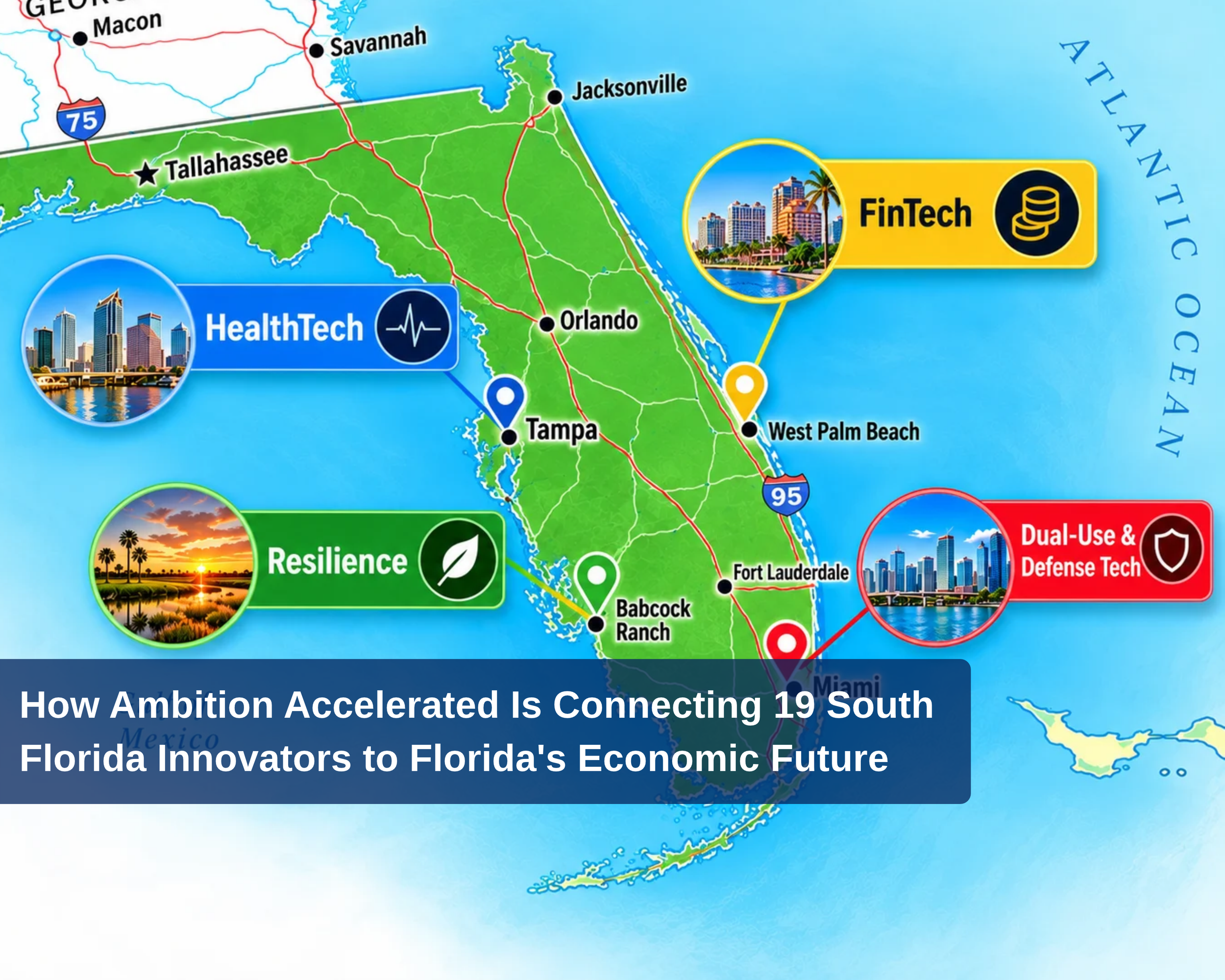



YouTube sensation IShowSpeed, also known as Darren Watkins Jr., has reportedly invested $10.75 million in a Miami-Dade warehouse to establish a dedicated content creation and production studio. The 26,600-square-foot property represents a major step in the creator's expansion from livestreaming into a larger media enterprise. Miami real estate broker Jordan Karp represented IShowSpeed in the transaction. The investment highlights South Florida's growing role in the creator economy, connecting digital entertainment, technology, commercial real estate, and entrepreneurship.