
Key Partnerships Making Palm Beach County’s Tech Boom Happen
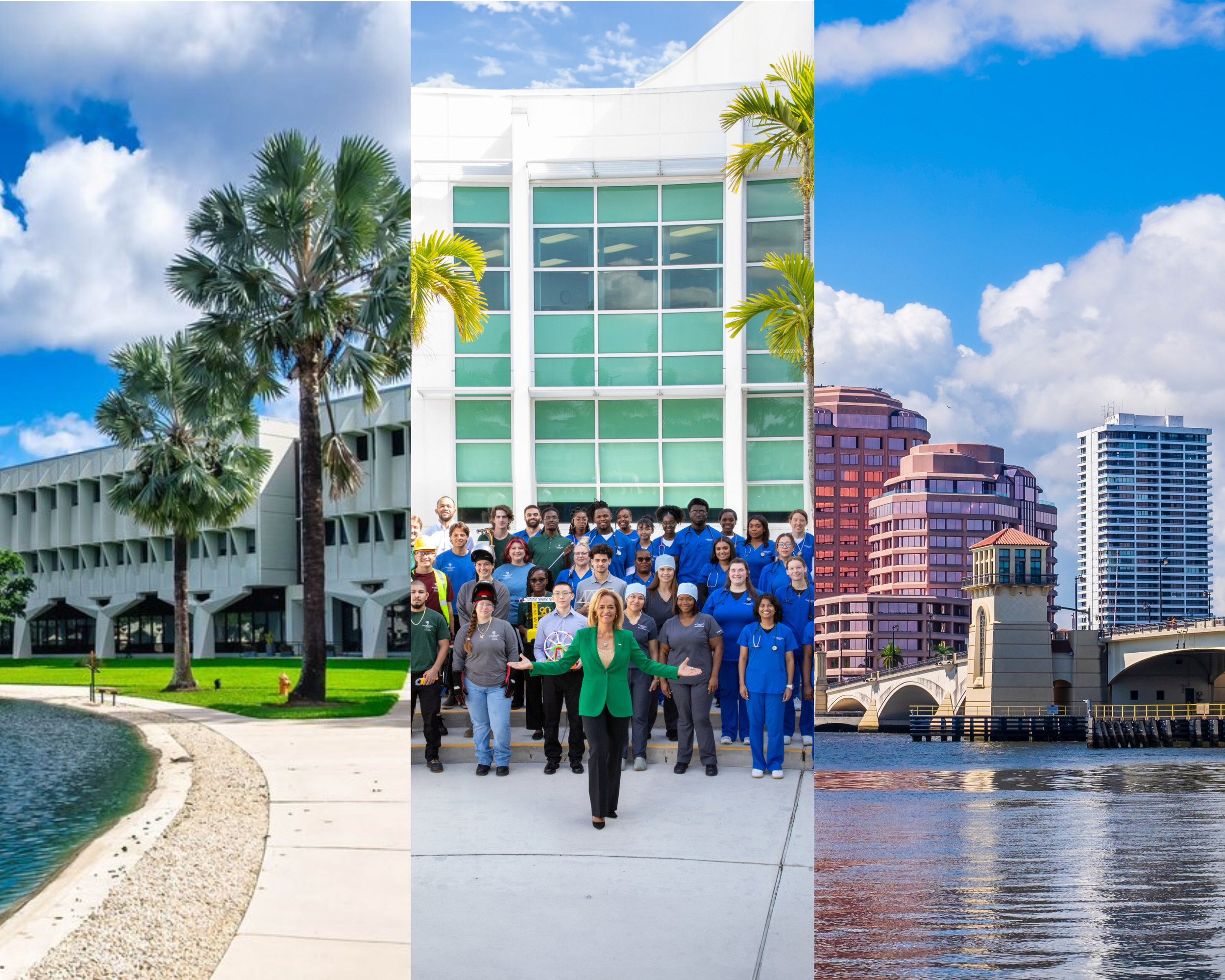
Palm Beach County, long synonymous with finance and affluent tourism, is undergoing a profound economic transformation. This shift is a fundamental reimagining of its future, driven by collaboration between public, private, and academic institutions. The region is rapidly emerging as a formidable technology hub, attracting significant corporate investment, nurturing startups, and cultivating a world-class talent pipeline. At the heart of this evolution lies a sophisticated ecosystem of public-private partnerships strategically deploying capital, expertise, and infrastructure to fuel a boom reshaping the county's identity.
According to recent Palm Beach State College articles, between 2018 and 2022, the county added more than 15,000 tech jobs. The sector now contributes $26.4 billion to the local economy as of 2024, with over 2,100 tech companies operating in the region. These partnerships are building a holistic environment where research, entrepreneurship, and industry converge and thrive.
Strategic Infrastructure: Building the Physical Foundations
The technological ascent of Palm Beach County is built upon strategic infrastructure executed through high-profile public-private partnerships. The most prominent example is the $10 billion investment plan by developer Stephen Ross and his Related Ross company in downtown West Palm Beach. This transformative vision involves the development of over 6 million square feet of office space, 1.4 million square feet of residences, 700,000 square feet of retail, and 870 hotel rooms across 70 acres. This massive undertaking aims to build a vibrant, mixed-use urban core, positioning West Palm Beach as a premier destination for both established corporations and burgeoning tech firms.
A cornerstone of the regional strategy is the Boca Raton Innovation Campus (BRiC), a sprawling 1.7-million-square-foot campus originally developed by IBM as its North American Research and Development facility. BRiC is widely regarded as the birthplace of the personal computer, a legacy lending immense historical weight to its current transformation. Acquired by Florida-based CP Group in 2018 for $179 million, the campus has undergone a remarkable revival. With occupancy now at 90%, BRiC hosts tech giants like Canon, life sciences leaders such as Modernizing Medicine, and healthcare providers like Baptist Health.
CP Group has invested $100 million in capital improvements, including modern amenities, hurricane-resistant design, and redundant power systems capable of sustaining full operations for 13 days without external power from the grid. Following rezoning approval, the master plan envisions an expansion into a mixed-use "micro-city" featuring residential units, grocery stores, boutique hotels, entertainment venues, and medical offices. This reflects a deeper understanding of what drives innovation clusters: live-work-play environments where serendipitous interactions lead to the generation of new ideas.
Fostering Talent: The Educational Infrastructure
The long-term vitality of Palm Beach's technology boom depends on cultivating robust local talent and thriving startup ecosystems. The central pillar is the partnership between Palm Beach State College (PBSC), developer Stephen Ross, and Mayor Keith James. This includes a landmark $8 million gift from the Related Together Foundation to fund the Stephen M. Ross Emerging Scholars Program, providing full scholarships to graduates of Forest Hill and Palm Beach Lakes High Schools alongside college readiness and early STEM academies.
At the entrepreneurial level, the Gold Coast Tech Accelerator, launched in 2025, targets early-stage companies with proven products. This eight-week hybrid program is a joint venture between the Florida Council of 100, eMerge Americas, and Related Ross, offering comprehensive support, including access to over 200 CEO mentors, investor networks, and free office space. The program features two specialized tracks, one of which is FinTech in West Palm Beach.
Florida Atlantic University's Tech Runway accelerator serves as an incubator for local startups, while its researchers collaborate with municipal agencies on smart city projects. Vanderbilt University is developing a 300,000-square-foot graduate campus expected to generate $7 billion in economic activity and 35,000 jobs over 25 years, offering programs in executive MBA, finance, and advanced degrees in AI and data science.




Tri-Rail enters a new era under Executive Director Dave Kubicek as growing ridership, new funding strategies, and regional development opportunities reshape the future of South Florida transit.