
The ServiceNow Catalyst: How a $17M Tech Investment is Forging a New Economic Era in West Palm Beach

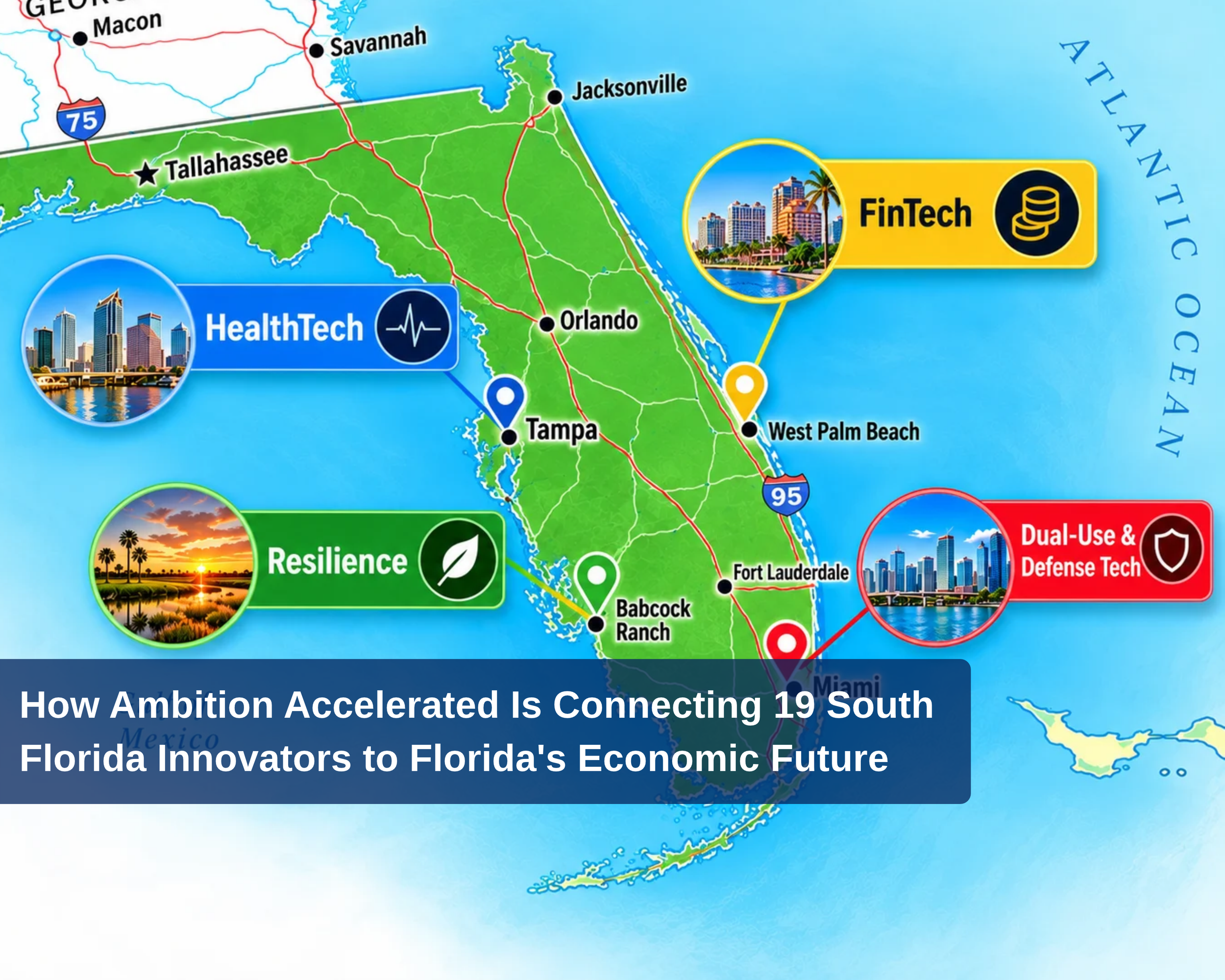
In a landmark move set to reshape the economic and cultural landscape of South Florida, ServiceNow, a global leader in cloud computing and artificial intelligence, has announced a major expansion into West Palm Beach. This strategic investment, valued at $17 million and supported by significant state and local incentives, marks a pivotal moment for the city. By establishing a regional headquarters and an AI Institute at 10 CityPlace, ServiceNow is not merely opening a new office; it is launching a multi-faceted catalyst designed to ignite a "renaissance" in the region's technology sector. The project promises to create over 850 high-paying tech jobs with an average salary of $170,000, generate nearly $2 billion in projected economic impact, and anchor a new technology corridor along the Gold Coast. This report provides a comprehensive analysis of this transformative initiative, examining its immediate and long-term effects on the local workforce, real estate market, urban development, and the broader competitive positioning of Florida as a global tech hub. Through an optimistic forward-looking perspective, this analysis reveals how ServiceNow’s expansion serves as a powerful case study in public-private partnership, talent cultivation, and the deliberate creation of a vibrant, modern economy.
A Strategic Bet on Florida's Tech Future
ServiceNow's decision represents a calculated wager on the Southeastern U.S. technology ecosystem. CEO Bill McDermott has described the expansion as the beginning of a "tech renaissance" for the city, aiming to establish West Palm Beach as the "new epicenter of the AI innovation economy". This ambition is rooted in several key factors identified by the company as critical to its success. Chief among these is the city's unique demographic profile, particularly its growing population of residents aged 25 to 29; a cohort often considered vital for a dynamic tech scene. Furthermore, ServiceNow was drawn to the area's business-friendly environment, which includes Florida's zero state income tax and a lower crime rate compared to traditional tech hubs like California. This combination of a young, educated workforce and favorable economic conditions makes West Palm Beach an attractive alternative to the congested and expensive markets of the San Francisco Bay Area.
The core strategy centers on a regional innovation hub and AI Institute featuring a dedicated startup accelerator, Executive Briefing Center for AI solutions, and ServiceNow University programs for continuous learning and certification. This ecosystem approach aligns with the Gold Coast Tech Accelerator initiative to build momentum across South Florida. As ServiceNow co-founder Pat Kasey explains, the goal is leveraging the "multiplier effect,” where one major player attracts firms, investors, and ancillary businesses, creating self-sustaining growth cycles.
Proximity to Southeast U.S. customers factored heavily in the location decision, enhancing ServiceNow's responsiveness in a service-oriented industry. The company has committed to 200,000 square feet of Class A office space as the anchor tenant of 10 CityPlace, with the facility opening in 2028. The total capital investment, including infrastructure, reaches $50 million—underscoring the magnitude of ServiceNow's long-term commitment.
Building Workforce from the Ground Up
Perhaps the expansion's most profound impact lies in ServiceNow's integrated approach to talent development. Recognizing that a ready-made pool of AI-skilled professionals doesn't yet exist locally, the company is building one through "RiseUp with ServiceNow," offering free training for in-demand technical roles like system administrator and low-code application developer. Critically, it targets non-traditional learners—career-changers and adults without four-year degrees—democratizing access to high-paying tech careers.
RiseUp's West Palm Beach implementation represents direct collaboration between ServiceNow, the city, and Palm Beach State College (PBSC), which serves over 40,000 students annually and more than 1,000 veterans. By embedding the skills pipeline within community college infrastructure, ServiceNow ensures scalable, accessible pathways for residents to acquire digital capabilities. This model mirrors successful workforce partnerships in other innovation hubs, directly aligning educational offerings with corporate needs.
Beyond RiseUp, the planned on-site ServiceNow University will offer AI-focused education and certification for employees, partners, and the broader community; creating a virtuous cycle of continuous upskilling. As Chief Workforce Innovation Officer Karen Pavlin states: "Talent is everywhere. Opportunity just needs to show up." This philosophy is backed by commitment to hire approximately 80% of positions locally, ensuring wealth generated by high-paying jobs remains within the community.
This holistic workforce strategy transforms a skills shortage challenge into an opportunity for deep community investment. The Regional Headquarters and AI Institute will establish a central hub for product innovation and enterprise AI development. RiseUp with ServiceNow, led by the company in partnership with the city and PBSC, provides free training specifically targeting career-changers and veterans. ServiceNow University delivers on-site AI training and upskilling, while the PBSC partnership integrates RiseUp curriculum into continuing education programs for a scalable talent pipeline. State and local incentives from Florida's Department of Commerce and the City of West Palm Beach provide financial support contingent on meeting job creation targets.
ServiceNow isn't just filling jobs, it's building the foundation for a resilient, skilled workforce capable of sustaining transformation for decades.
The Urban and Real Estate Transformation
ServiceNow's arrival will act as a gravitational force, fundamentally reshaping West Palm Beach's urban fabric and real estate market. As anchor tenant of Related Ross's 10 CityPlace tower, the company joins a burgeoning ecosystem of world-class institutions; including Cleveland Clinic's outpatient center and Vanderbilt University's first satellite graduate campus, that developer Stephen Ross has been cultivating. This synergy positions the project as linchpin of the "Gold Coast Innovation Corridor" connecting Miami to West Palm Beach.
Real estate experts anticipate immediate impact. Elizabeth DeWoody, a top-ranked Florida agent, notes that hundreds of high-income households will inject significant momentum, driving demand for rentals and single-family homes across the county. Adjacent neighborhoods; El Cid, Southland Park, Southend, and Northwood; should see accelerated appreciation, with effects extending to Palm Beach Gardens, Wellington, and Boca Raton. The demand will favor luxury condominiums and townhomes for young professionals and executives forming ServiceNow's workforce backbone.
The 10 CityPlace tower itself validates market confidence in West Palm Beach as a major commercial hub. This concentration of Fortune 500 tech, leading medical institutions, and prestigious universities creates powerful agglomeration effects, fostering a dense, walkable, mixed-use environment increasingly sought by millennial and Gen Z workers. Ross aims to make West Palm Beach "a model city" and the "Wall Street of the South,” a financial and technological powerhouse on par with any nationally. ServiceNow's expansion provides the human capital engine to power this transformation.
The Multi-Billion Dollar Economic Windfall
ServiceNow's economic impact extends far beyond 850 high-wage jobs. Commissioned studies project $1.8-$2 billion in regional economic impact by 2030, driven by direct spending, indirect effects on local businesses, and powerful multiplier effects. Business Development Board CEO Kelly Smallridge calls this the largest business deal in Palm Beach County history.
The primary driver is employment caliber: over 850 jobs averaging $170,000 annually, far exceeding U.S. median household income. Each ServiceNow employee contributes substantially more in wages, consumer spending, and tax revenue than average workers. This high-end discretionary income influx will stimulate virtually every local economic sector. As Florida Commerce Secretary Alex Kelly notes, the project demonstrates the state's ability to attract global competitiveness and fuel growth. With 80% targeted for local hires, this wealth stays within the community, strengthening West Palm Beach's economic base.
Secondary effects prove equally significant. The $17 million investment ripples through the economy via contracts with local suppliers, construction companies, and service providers. The new workforce settling locally will surge housing demand, boosting residential construction and real estate sectors. Commercial rents downtown should rise, mirroring established tech hub trends. Florida's favorable tax climate amplifies these effects, including commercial rent tax elimination effective October 1, 2025. Governor Ron DeSantis framed the expansion as a dual win for economic and educational advancement. Ultimately, ServiceNow becomes one of Palm Beach County's largest employers, fundamentally altering the area's economic DNA.
Public-Private Partnership as Blueprint
ServiceNow's success demonstrates powerful public-private synergy. The financial structure leverages $17 million in combined state and city incentives: Florida's Department of Commerce provided $15 million; West Palm Beach contributed $2 million over six years. Critically, the city's contribution includes clawback provisions; funds must be repaid if ServiceNow fails to create at least 400 jobs. This accountability mechanism protects taxpayer money while holding the private partner to promises.
Political and civic leaders have championed the vision, with Governor DeSantis and Mayor Keith James praising the project's economic and educational impact. Developer Stephen Ross proves equally critical, curating an ecosystem attracting Cleveland Clinic, Vanderbilt, and ServiceNow while investing $8 million in scholarships for lower-income high school graduates. This tight partnership between visionary developers, receptive government, and forward-thinking corporate leadership creates ideal conditions for transformation.
Positioning Florida's Competitive Future
ServiceNow's expansion carries statewide implications, positioning Florida as a formidable contender to become America's next great tech hub. The state has aggressively marketed advantages; zero income tax, pro-business environment, high quality of life; to lure companies from California's high costs and regulatory burdens. ServiceNow's commitment validates this strategy. A Fortune 500 giant with over $190 billion market cap making major long-term investment signals Florida's readiness for prime-time corporate commitment.
The expansion acts as a magnet, drawing talent and businesses essential for robust innovation ecosystems. CEO McDermott explicitly stated the move would attract other tech firms. ServiceNow's focus on building local talent pipelines through Palm Beach State College partnerships solves critical problems for other potential entrants: finding skilled workers. As ServiceNow establishes a trained workforce, it reduces risk and cost for companies considering regional moves—creating virtuous cycles moving West Palm Beach closer to rivaling Silicon Valley.
However, this ambition is not without its challenges. While Florida boasts many strengths, it faces competition from other Sun Belt states like Texas and North Carolina, which are also aggressively courting tech talent. The success of this initiative will depend on sustained investment in infrastructure, education, and quality of life. The planned arrival of Vanderbilt University's graduate campus is a critical piece of this puzzle, promising to elevate the region's academic standing and provide a steady stream of graduates with advanced degrees in engineering and AI. Furthermore, the state's continued commitment to policies that foster entrepreneurship and protect intellectual property will be crucial. The ServiceNow deal is a blueprint for the future. It demonstrates that to compete globally, regions must offer a trifecta of high-paying jobs, a supportive ecosystem, and a clear path to talent. By delivering on this promise, West Palm Beach, and by extension Florida, is laying the groundwork for a new chapter of economic prosperity, built on the foundation of innovation and technology.

West Palm Beach-based Ondas and Aventura-based Palantir Technologies are collaborating to launch Regna AI, a new company focused on sovereign artificial intelligence for defense and national security. Led by interim CEO Ryan Hartman, the venture will combine Palantir's AI infrastructure with Ondas' autonomous defense expertise to develop specialized AI models that organizations can control and deploy securely. The initiative emphasizes faster decision-making, data ownership, and AI capabilities for mission-critical environments. The partnership further strengthens South Florida's growing position in defense technology, artificial intelligence, and national security innovation.