
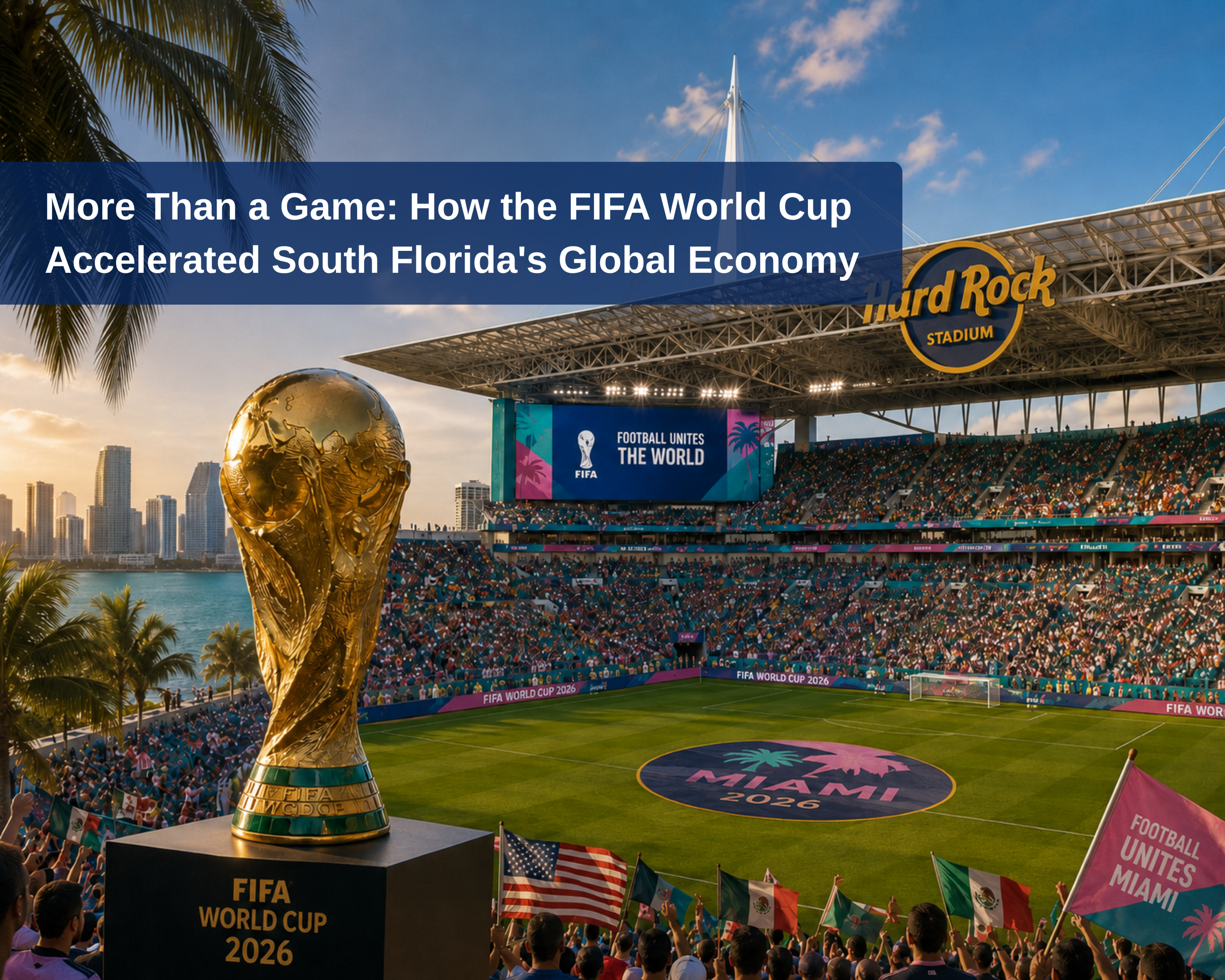
When the final whistle blew at the 2026 FIFA World Cup, the celebration didn't just belong to soccer fans. It belonged to South Florida.
For one unforgettable month, the region became the center of the world's attention. Millions watched matches played at Hard Rock Stadium while hundreds of thousands of visitors filled hotels, restaurants, airports, beaches, entertainment districts, and businesses across Miami-Dade, Broward, and Palm Beach counties.
"For five exciting weeks, we welcomed the world to Miami-Dade County," said Miami-Dade County Mayor Daniella Levine Cava. "The success of this FIFA World Cup is the result of years of planning, thousands of people working together, and countless moments the public never saw."
The excitement on the pitch translated into something even more significant off it: economic growth.
While the final independent economic impact reports are still being completed, early data shows the event generated significant short-term spending while creating opportunities for long-term investment, tourism, infrastructure improvements, and global business positioning.
Host committee estimates suggest the tournament generated approximately $1.3 billion in economic activity for South Florida, making it one of the largest economic events in the region's history. But the true legacy of the World Cup extends well beyond visitor spending.
It demonstrated that South Florida has evolved into one of the world's premier destinations for international business, innovation, tourism, and global events.
The Business of Hosting the World
Major sporting events have become powerful economic development tools.
While fans focus on the matches, cities focus on something equally important: attracting investment, showcasing infrastructure, building international relationships, and creating long-term opportunities for local businesses.
The World Cup delivered on all of those fronts.
International visitors represented dozens of countries, bringing new spending into nearly every corner of the regional economy. Hotels experienced one of their strongest summer seasons on record. Restaurants extended hours. Retailers welcomed an influx of international shoppers. Transportation providers operated at unprecedented levels, while event companies, production firms, security professionals, and hospitality workers all benefited from the increased demand.
For many small businesses, June and July became far busier than a typical South Florida summer. The economic ripple effects reached far beyond the stadium.
More Than Tourism
Perhaps the greatest value wasn't measured in hotel bookings or restaurant receipts.
It was visibility.
For weeks, South Florida served as the backdrop for one of the most watched sporting events on the planet. Television broadcasts showcased Miami's skyline, beaches, cultural diversity, modern infrastructure, and vibrant lifestyle to billions of viewers worldwide.
That kind of exposure cannot easily be replicated through traditional marketing.
For international companies considering expansion into the United States, South Florida wasn't simply hosting matches, it was demonstrating why the region continues to attract entrepreneurs, multinational corporations, investors, and global talent.
The World Cup reinforced Miami's growing reputation as a gateway between North America, Latin America, Europe, and beyond.
Infrastructure That Delivered
Hosting a global event of this magnitude wasn't simply about welcoming visitors, it was about moving them safely, efficiently, and reliably.
The FIFA World Cup became a proving ground for South Florida's transportation infrastructure, demonstrating that the region could successfully support hundreds of thousands of fans while maintaining normal operations across one of the nation's largest metropolitan areas.
Nearly one in four fans chose public transportation to travel to Hard Rock Stadium, a remarkable achievement for a region often associated with automobile travel.
"The World Cup gave us the opportunity to showcase Miami-Dade to the world, and we delivered," said Stacy Miller, PE, Director and CEO of the Miami-Dade County Department of Transportation and Public Works. "We proved we can safely and reliably move hundreds of thousands of people during one of the world's biggest sporting events, and our system performed exactly as planned."
The numbers tell the story.
During the FIFA Fan Festival™, Metromover ridership increased 185% above normal levels, carrying more than 836,000 passengers. Metrorail transported more than 230,000 riders to the seven World Cup matches, while Game Day Express shuttles carried more than 203,000 fans between transit hubs and Hard Rock Stadium.
The success demonstrated more than operational excellence. It showed that South Florida has the infrastructure, coordination, and experience to host future global events while strengthening confidence among residents, visitors, investors, and event organizers alike.
A Platform for Innovation
While tourism generated headlines, another story quietly unfolded behind the scenes. Large-scale events increasingly depend on sophisticated technology.
Artificial intelligence helped analyze operations. Cybersecurity teams protected critical infrastructure and digital systems. Smart transportation platforms improved mobility. Cloud technologies powered communications, ticketing, logistics, and fan engagement.
The World Cup wasn't simply a sporting event.
It was a real-world demonstration of how technology has become essential to operating modern cities and hosting global experiences.
For South Florida's growing innovation economy, that's significant.
The region's expanding cybersecurity sector, AI companies, software developers, mobility innovators, and telecommunications providers now have another successful case study demonstrating that South Florida can support some of the world's most complex operational environments.
The Opportunity Ahead
The greatest economic impact may still be ahead.
As Rodney Barreto, chairman of the FIFA Miami World Cup Host Committee, reflected after the tournament concluded stating that, "The World Cup may be over, but what Miami achieved will endure. We did not simply host matches. We showcased the very best of our community to the world. This was a once in a generation opportunity, and Miami rose to the occasion with passion, collaboration and excellence."
Barreto's words capture what many business and civic leaders hope will become the tournament's lasting legacy. The World Cup introduced South Florida to millions of potential visitors, investors, entrepreneurs, and global companies. The challenge now is transforming that visibility into sustained economic growth.
Mega-events create momentum.
Visitors discover destinations they return to years later. Companies begin conversations that evolve into investments. Entrepreneurs build relationships that become partnerships. International executives gain firsthand experience with a region they may later choose for expansion.
South Florida has already demonstrated this pattern through Art Basel, Formula 1 Miami, the Miami Open, major cruise operations, and countless international conferences.
The World Cup elevated that reputation even further.
The challenge now is ensuring that momentum continues.
Economic development organizations, chambers of commerce, universities, technology associations, tourism agencies, and business leaders all have an opportunity to convert global attention into long-term investment, workforce growth, startup creation, and innovation.
Building the Next Chapter
The World Cup may have lasted only a few weeks, but its economic influence should last for years.
As South Florida continues to position itself as a destination for technology, finance, life sciences, logistics, advanced manufacturing, and entrepreneurship, the successful hosting of one of the world's largest sporting events sends a powerful message.
This region is capable of welcoming the world. More importantly, it is prepared to grow with it.
The matches may be over, but for South Florida, the opportunity is just beginning.
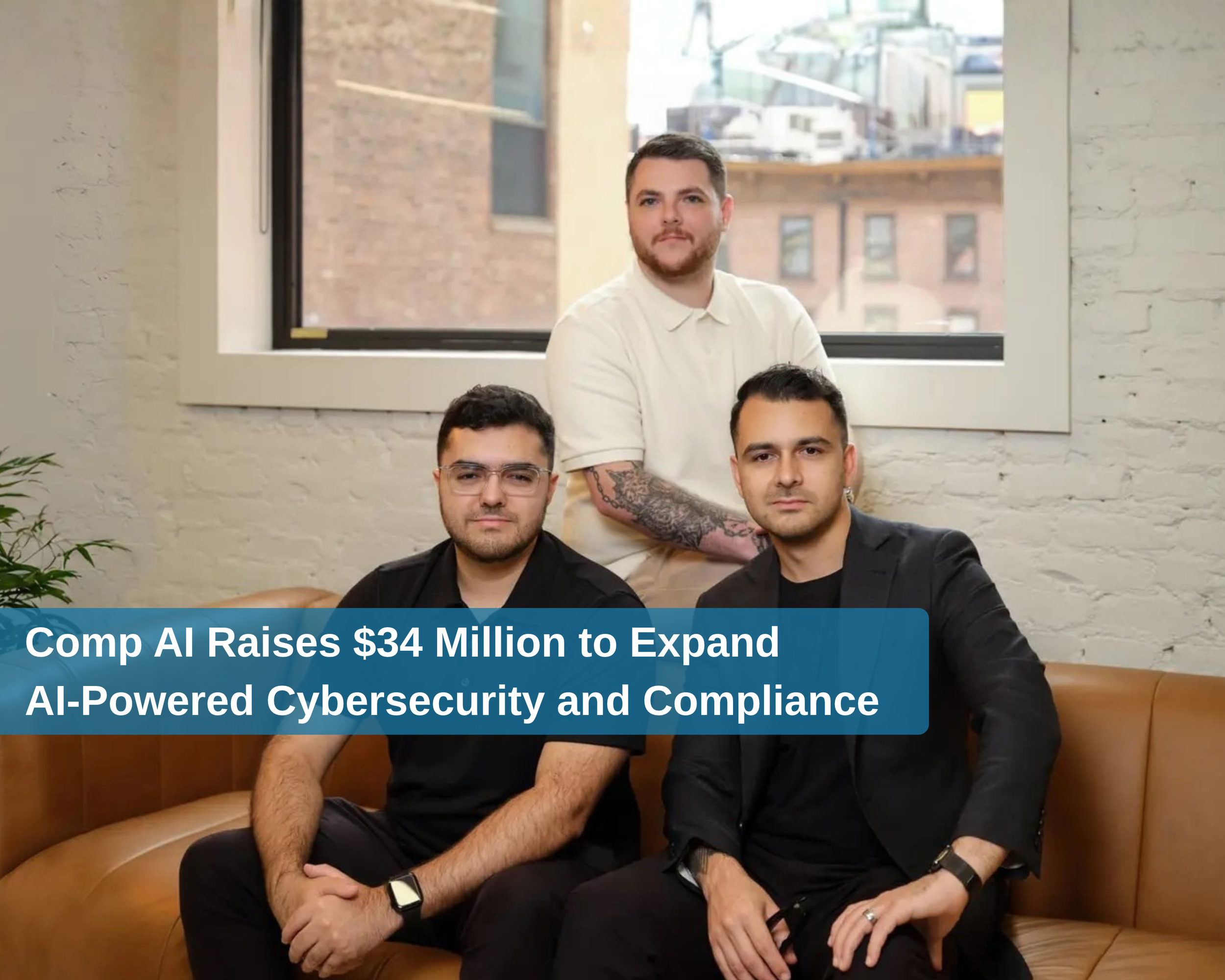
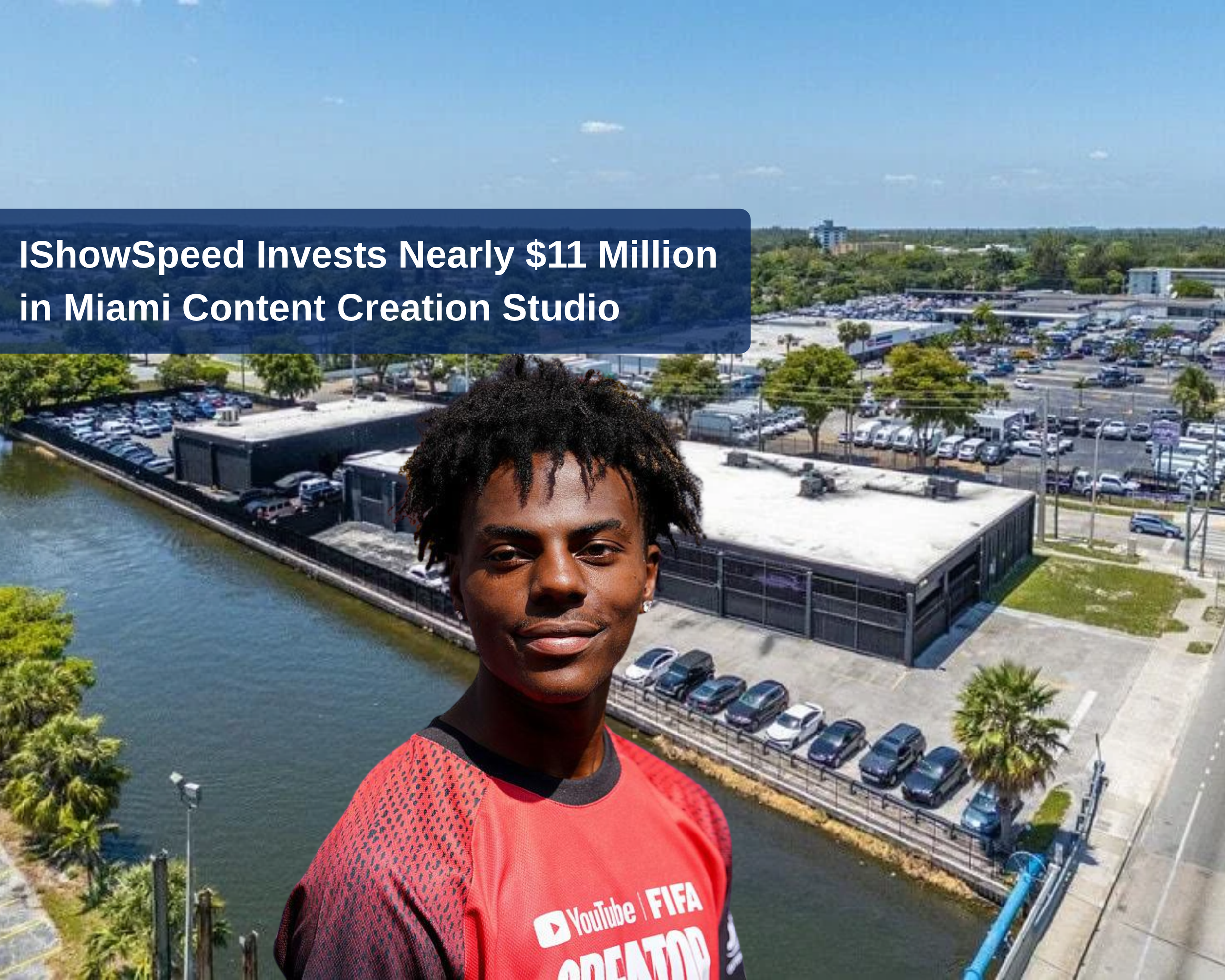
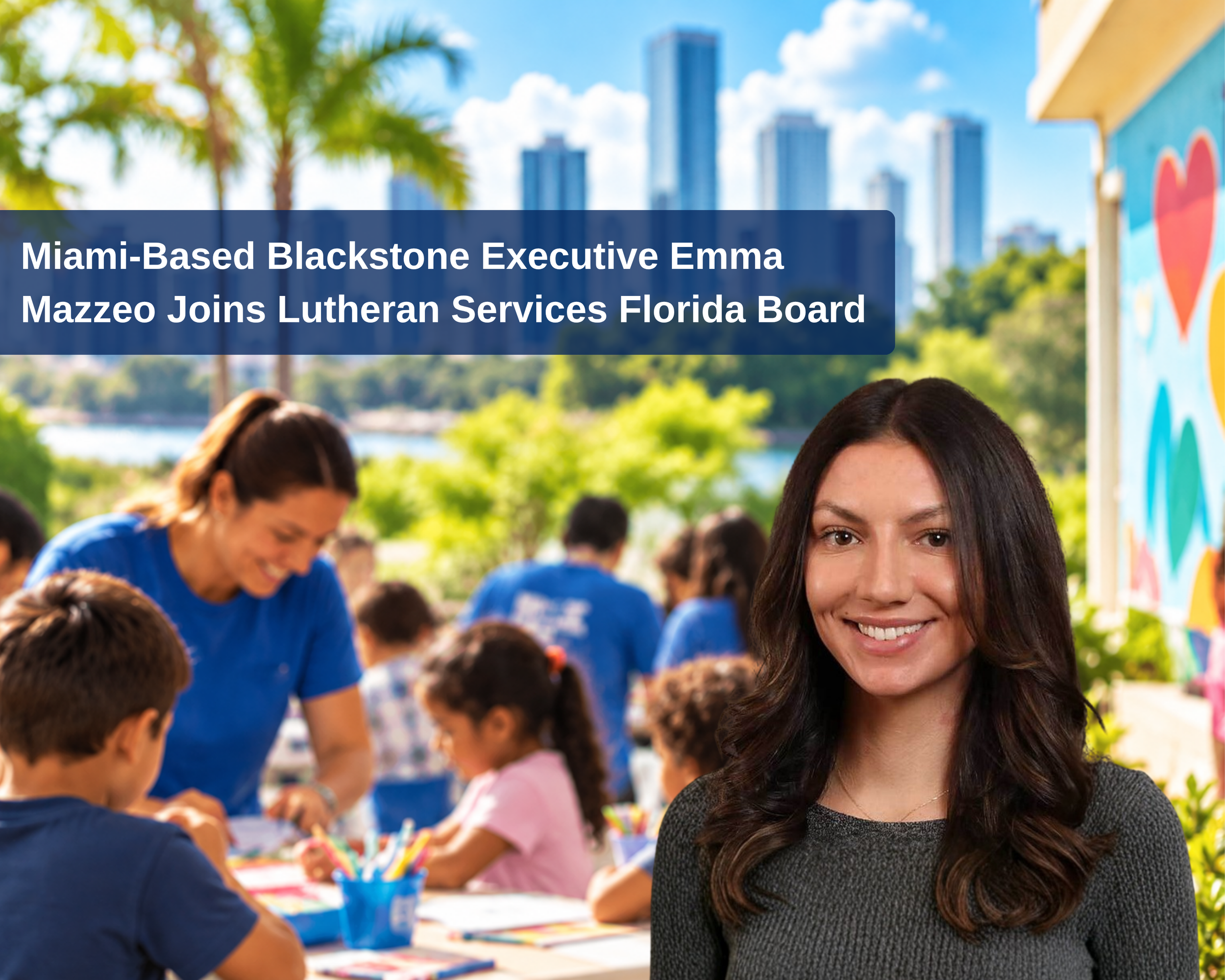

Miami-based medical technology company DermaSensor has been named a finalist in the 2026 Digital Health & AI Awards in the Cancer, Screening & Early Detection category. Founded by Cody Simmons, the company developed an FDA-authorized handheld device that uses artificial intelligence and spectroscopy to help healthcare providers assess suspicious skin lesions. With more than 45,000 lesions scanned and approximately $48 million in total funding, DermaSensor continues to expand its clinical adoption and commercial reach. The national recognition highlights South Florida's growing role in AI-powered healthcare innovation, with winners set to be announced at HLTH 2026 in November.