
Levatas: The Florida Startup Teaching Robots How to See
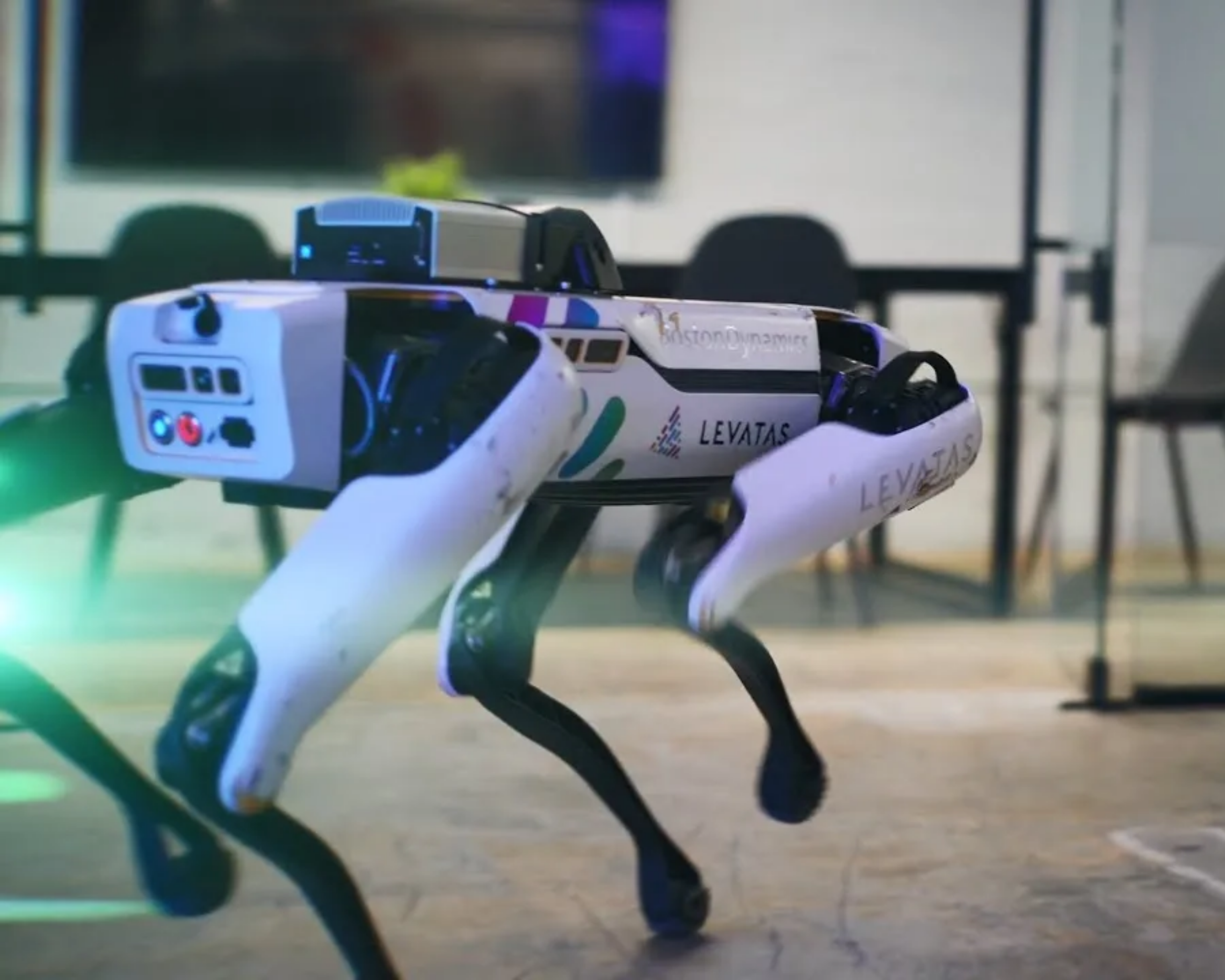
Based in the heart of West Palm Beach, tech startup Levatas is helping to redefine what artificial intelligence truly means and how machines operate.
Below, we’ll discuss what makes Levatas stand out in a world brimming with AI, what the team is doing, and what lessons this young tech startup holds for entrepreneurs.
What’s Levatas All About?
In 2006, Chris Nielsen launched Levatas in Florida. Nielsen, with a small team beside him, was focused on digital solutions for enterprise clients, building software that helped businesses of all kinds modernize themselves. Over time, this company evolved into a fully-fledged industrial AI company.
Now, Levatas builds cognitive software that effectively enables robots, drones, and industrial cameras to perform inspections autonomously. For example, this allows machines to spot defects, detect hazards, and send real-time alerts long before humans could. The team at Levatas holds the objective of making the world’s most labor-intensive, dangerous, and monotonous jobs safer and smarter through artificial intelligence.
It operates out of a downtown West Palm Beach headquarters, employing a growing team. Of course, the South Florida base holds more than its winter sun. The location of Palm Beach offered the team a tight-knit culture of creativity and purpose, with the downtown workspace attracting top talent seeking to build innovative technology without burning out. After all, this location offers the quality of life that many talented workers seek to adopt.
What Does Levatas Build?
Levatas’ Cognitive AI Platform refers to software that enables machines to visually inspect complex environments. The visual data is processed in real time, identifying issues from leaks to corrosion. But Levatas’ AI does more than analyze images – it actually understands the context of what it is shown, being able to figure out the difference between something like a harmless shadow and a potentially dangerous hazard.
This intelligence is deployed across various hardware platforms, such as drones, fixed sensors, and thermal cameras, meaning the software doesn’t simply reside in a lab. This type of technology is already being utilized in industries like energy, utilities, manufacturing, and logistics, where safety is certainly not negotiable.
Recent Growth of Levatas
In 2022, Levatas raised $5.5 million in funding, enabling it to expand its AI inspection models and integrations with robotics systems. This fantastic investment has resulted in partnerships with leading drone manufacturers such as Skydio. This has enabled autonomous drone inspections powered by Levatas’ visual intelligence software.
Through these collaborations, operators can deploy fully automated inspection routines – drones fly routes, capture footage, analyze it via Levatas’ AI, and produce actionable insights.
What Can Young Entrepreneurs Learn from Levatas?
For any entrepreneurs hoping to break into the tech field today, the story of Levatas is full of inspiration that offers a few critical lessons.
Find the real problem - Levatas didn’t chase hype. Instead, the company tackled industrial safety and visual inspection, problems no one else wanted to touch. Now those challenges perceived as boring are billion-dollar markets.
Build before it’s trendy - This tech startup was working with AI long before ChatGPT started creeping into the headlines. Visionary startups solve tomorrow’s problems today.
Marry hardware and software - Some argue that startups that connect the physical and virtual — sensors, drones, robotics — will own the future.
Grow where you can thrive - South Florida’s tech scene is promising to say the least. It’s young, collaborative, and less saturated than other US locations, making it a perfect launchpad for startups that want community over competition.
Human-in-the-loop matters - Levatas proves that AI isn’t about replacing people; it’s about empowering them to get started on safer, smarter, higher-value work.
The Future of Levatas
So, what’s next for Levatas? We can predict that this South Florida tech startup will push towards predictive intelligence, not just detecting potential problems but also forecasting them. It will strive towards its vision to create an ecosystem where every industrial system has foresight and intelligence, which could surely transform businesses of all kinds.
All in all, this South Florida tech startup’s journey reflects a wider shift across industries, from reactive solutions to proactive intelligence. As its team continues to innovate, this company could stand to set new standards for how humans and machines work together to make operations smarter and safer.





2150 co-founder Christian Hernandez Gallardo is leaving venture capital to become Executive Chair of Boca Raton-based Blue Frontier, helping the climate-tech company scale manufacturing, expand internationally and capitalize on growing demand for energy-efficient cooling as AI and data centers place new pressure on the electrical grid.